

Luxury custom furniture is defined as high-end pieces meticulously crafted to an individual’s exact specifications, combining superior materials, skilled artisanship, and precise design to serve a specific space and lifestyle. The industry draws a meaningful line between custom and bespoke: custom furniture modifies an existing design to your preferences, while bespoke furniture is created entirely from scratch. Both sit at the top of the market, but bespoke represents the purest form of the craft. What unites them is a commitment to quality, longevity, and personal expression that mass-produced furniture simply cannot match.
What is luxury custom furniture, and how does it differ from ready-made?
Luxury custom furniture occupies a category defined by craftsmanship standards, material quality, and design precision that ready-made pieces cannot reach. A factory sofa is built to a price point. A custom piece is built to a life.
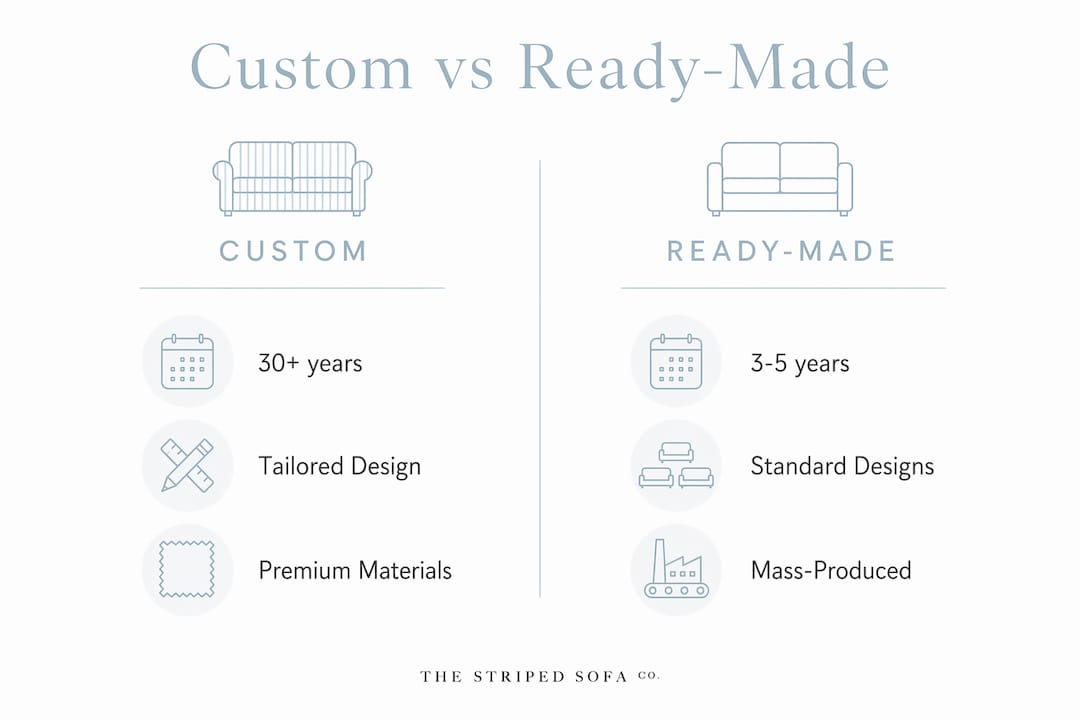
The most telling difference is durability. Custom furniture is engineered to last 30 years or more, while ready-made pieces often show wear or fail within 3–5 years. That gap is not accidental. It reflects the difference between kiln-dried hardwood frames and particleboard, between hand-tied spring systems and sinuous wire, between double-stitched seams and glued joints.

Design flexibility is the second major distinction. Ready-made furniture forces you to adapt your room to the piece. Custom furniture adapts to your room. You choose the dimensions, the silhouette, the fabric weight, the leg finish, and the cushion firmness. The result fits your space the way a tailored suit fits a body.
Pro Tip: Request a detailed specification sheet from any custom maker before signing off. It should list wood species, frame joinery method, foam density, and fabric grade. If a maker cannot provide one, look elsewhere.
| Feature | Custom luxury furniture | Ready-made furniture |
|---|---|---|
| Lifespan | 30+ years | 3–5 years typical |
| Material quality | Kiln-dried hardwood, premium foam | Particleboard, standard fill |
| Design flexibility | Fully tailored to space and vision | Fixed dimensions and options |
| Fabric selection | Designer-grade, performance-rated | Limited, often synthetic |
| Lifecycle cost | Lower when amortized over decades | Higher due to frequent replacement |
How do upholstery fabrics shape the quality of a custom piece?
Upholstery fabric is not a finishing touch. It is a foundational design decision that shapes comfort, durability, and the emotional character of a piece. Velvet, mohair, and wool are selected in luxury work not just for beauty, but for how they age, breathe, and respond to daily use. Each material tells a different story over time.
Understanding fabric weight and construction helps you make a confident choice. High-quality upholstery fabrics are tightly woven with weights between 250–400 GSM and offer superior abrasion resistance compared to standard decorator fabrics. Higher GSM means a denser weave, which resists pilling, sagging, and fading far longer than lighter alternatives.
Matching fabric to lifestyle is where many buyers go wrong. A silk velvet that looks extraordinary in a formal sitting room will not survive a household with children and pets. Performance fabrics woven to high abrasion standards give you the visual richness of luxury without sacrificing practicality. Striped Sofa Co, for example, uses stain-resistant, bleach-cleanable fabrics free from harmful PFAS chemicals, so the beauty of the piece does not come at a cost to your home or health.
Here is what to evaluate when selecting luxury upholstery fabric:
- Abrasion resistance (Martindale or Wyzenbeek rating): Look for ratings above 30,000 double rubs for residential use and above 100,000 for high-traffic areas.
- Fabric weight (GSM): Heavier fabrics in the 300–400 GSM range hold their structure and resist wear over decades.
- Fiber content: Natural fibers like wool and mohair age gracefully. Performance blends add durability without sacrificing texture.
- Colorfastness: Fabrics should be tested for light and crocking resistance, especially in rooms with strong natural light.
- Cleanability: For family homes, prioritize fabrics rated for water-based cleaning or bleach-safe treatment.
Pro Tip: Order fabric samples and live with them for a week before committing. Pin them to your sofa or wall and observe how they look in morning light, afternoon sun, and evening lamplight. Color and texture shift dramatically across the day.
You can explore upholstery fabric grades in detail to understand how grading systems translate to real-world performance and price differences.
What are the real advantages of choosing luxury custom furniture?
The advantages of custom furniture go well beyond aesthetics. They touch function, architecture, identity, and long-term economics. Here are the core reasons discerning homeowners invest in custom pieces.
-
Perfect spatial fit. Custom furniture eliminates wasted space by fitting exact room dimensions and addressing architectural nuances like angled walls, low ceilings, or alcoves. A built-in window seat or a sofa sized to the inch for a bay window creates a sense of harmony that no off-the-shelf piece can replicate.
-
Architectural integration. Custom pieces solve problems that ready-made furniture ignores. Irregular wall angles, precise ceiling heights, and integrated technology like built-in charging ports or hidden cable management are all achievable when a piece is designed from the ground up for your specific space.
-
Genuine uniqueness. Custom furniture crafted by skilled artisans reflects the homeowner’s personality and lifestyle in a way that trend-driven retail pieces never can. You are not buying what thousands of others own. You are commissioning something that exists nowhere else.
-
Lower lifecycle cost. The true lifecycle cost of luxury custom furniture is often lower when amortized over 15–25 years compared to replacing mass-produced furniture every few years. A $6,000 custom sofa that lasts 25 years costs far less per year than a $1,200 retail sofa replaced four times in the same period.
-
Emotional connection. There is a quality of presence in a piece you helped design. You chose the fabric, the proportions, the details. That investment of thought and care creates a relationship with the object that mass production cannot manufacture.
-
Sustainable value. Pieces built from FSC-certified wood, soy-based foam, and responsibly sourced fabrics carry a lighter environmental footprint. Longevity is itself a form of sustainability. A piece that lasts 30 years never enters a landfill at year five.
What should you consider before buying luxury custom furniture?
Buying a custom piece is a process, not a transaction. Understanding what that process involves protects your investment and your expectations.
-
Lead times are real. Quality custom furniture typically requires 6–12 weeks from order to delivery. Striped Sofa Co delivers made-to-order sofas in 6–8 weeks, which is fast by industry standards. Plan purchases around your move-in date or renovation timeline, not the other way around.
-
Communication is the craft. The partnership between client and artisan is where the piece is truly made. Share reference images, room dimensions, and lifestyle details. The more clearly you communicate your vision, the more precisely it can be realized.
-
Prototype validation matters. Translating 3D design renderings to physical furniture requires prototype validation to confirm joint integrity, finish consistency, and functioning features before full production. For complex or large commissions, request a physical sample or prototype review before final approval.
-
Evaluate craftsmanship details. Run your hand along seams. Check that patterns align across cushions. Confirm that legs are level and frames feel solid under pressure. These details reveal the true quality of a maker’s work far more than photography does.
-
Balance cost against value, not price. The upfront cost of a custom piece is higher than retail. That is the honest truth. But upfront costs are offset over decades by durability and timeless appeal. The question is not whether you can afford it. The question is whether you can afford to keep replacing something cheaper.
Key Takeaways
Luxury custom furniture delivers superior long-term value through tailored design, premium materials, and artisan craftsmanship that mass-produced pieces cannot replicate.
| Point | Details |
|---|---|
| Custom vs. bespoke | Custom modifies existing designs; bespoke creates entirely original pieces from scratch. |
| Durability advantage | Custom furniture lasts 30+ years, far outlasting ready-made pieces that fail within 3–5 years. |
| Fabric selection | Choose fabrics by GSM weight, abrasion rating, and cleanability to match your lifestyle. |
| Lifecycle cost | Amortized over 15–25 years, custom pieces often cost less than repeated mass-market replacements. |
| Buyer process | Allow 6–12 weeks lead time, communicate clearly, and validate craftsmanship before final approval. |
Why I believe custom furniture is one of the wisest investments a home can hold
I have spent years thinking about what makes a room feel genuinely alive, and I keep arriving at the same answer. It is not the art on the walls or the light fixture overhead. It is the piece you sit in every day, the one that fits the room as though it grew there.
What strikes me most about the custom furniture process is how much the conversation itself shapes the outcome. When a client tells me about the morning light in their living room, or the way their family gathers on Sunday afternoons, that information becomes part of the design. The piece that results is not just furniture. It is a quiet record of how that household lives.
I also think the industry undersells the emotional reward of commissioning something original. There is a particular satisfaction in sitting on a sofa you helped design, knowing the fabric was chosen for its warmth in winter light and its resilience through years of real life. That feeling does not fade. If anything, it deepens as the piece develops its own patina and history.
The trend toward performance fabrics has been one of the most meaningful shifts I have seen. The idea that you must choose between beauty and practicality is simply outdated. The best custom makers today offer sustainable upholstery options that are gorgeous, durable, and responsible. That combination is what gracious living looks like in 2026.
— Kevin O’Gara
Striped Sofa Co and the art of the custom performance sofa
Striped Sofa Co was built on the belief that a sofa should be as beautiful as it is livable. Every piece is made to order in America using FSC and SFI certified wood frames, soy-based foam, and designer-grade performance fabrics that are stain-resistant, bleach-cleanable, and free from PFAS chemicals.
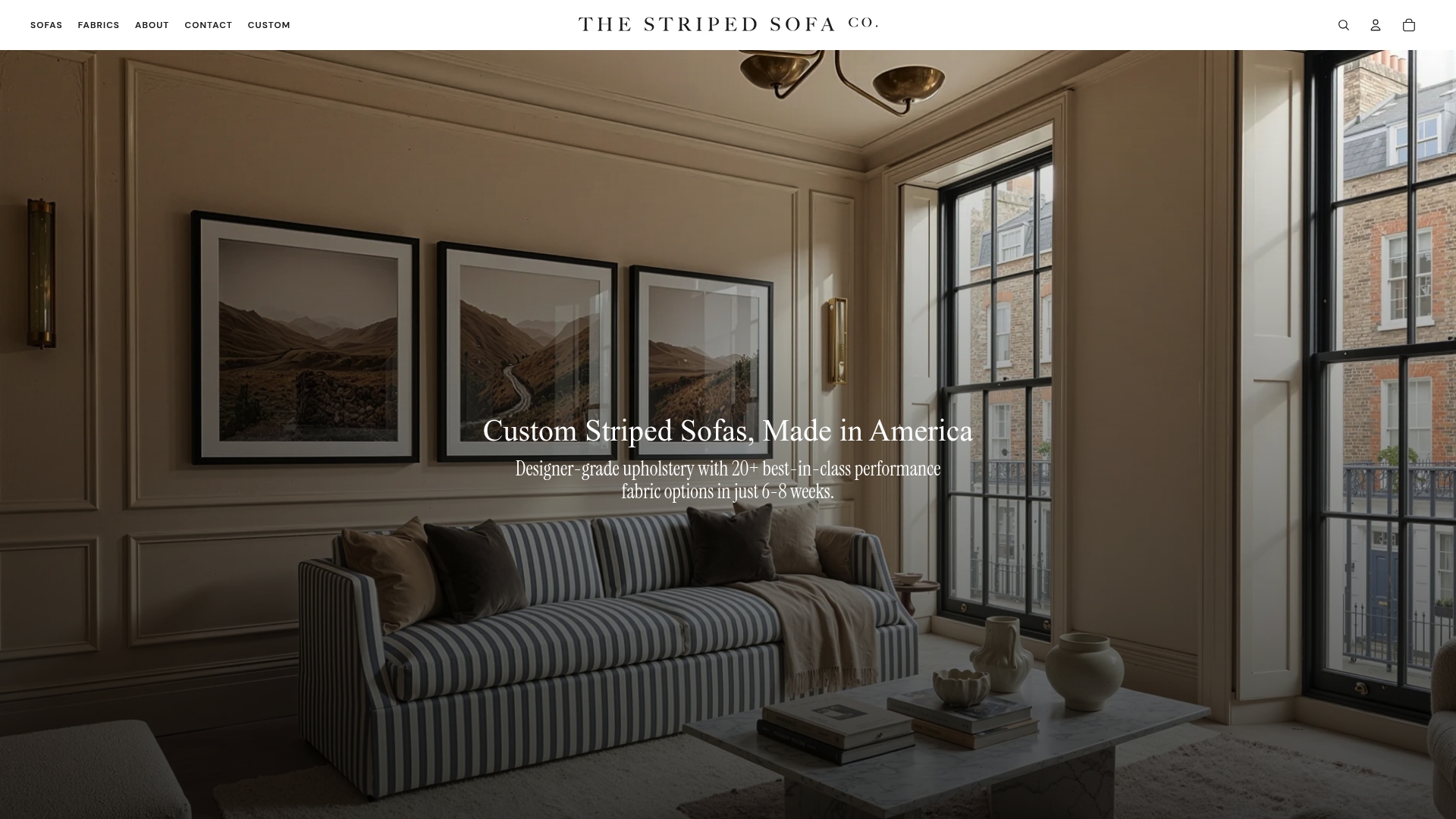
The customization process is designed to feel personal, not complicated. You choose your silhouette, your stripe pattern, your fabric, and your finish. Striped Sofa Co delivers in 6–8 weeks, which means your room does not wait long for the piece it was always meant to hold. Browse the full collection of luxury performance sofas or go deeper into the custom design process to see how each option comes together.
FAQ
What is the difference between custom and bespoke furniture?
Custom furniture modifies an existing design to your specifications, while bespoke furniture is created entirely from scratch to your brief. Bespoke represents the highest level of personalization in the luxury furniture market.
How long does luxury custom furniture last?
Custom furniture is engineered to last 30 years or more. Ready-made pieces typically show significant wear or fail within 3–5 years, making custom pieces far more durable over time.
What is luxury upholstery fabric made from?
Luxury upholstery fabrics include natural materials like velvet, mohair, and wool, as well as high-performance blends. Quality fabrics weigh between 250–400 GSM and carry high abrasion resistance ratings to ensure long-term durability.
Is luxury custom furniture worth the higher upfront cost?
The lifecycle cost of custom furniture is often lower than mass-produced alternatives when amortized over 15–25 years. Replacing cheaper furniture every few years adds up to more than a single well-made custom investment.
How do I choose the right fabric for a custom sofa?
Match fabric to your household’s daily reality. For high-traffic homes, prioritize fabrics with abrasion ratings above 30,000 double rubs and cleanability ratings that allow water-based or bleach-safe treatment. You can review sofa fabric options by lifestyle and performance need.