

Sofa cushion fill is defined as the internal material that determines how a cushion feels, holds its shape, and ages over time. When you compare cushion fill options for sofas, the choice comes down to four main types: high-resilience foam, down and feather, polyester fiberfill, and hybrid combinations. High-resilience foam at 1.8+ lb/ft³ is the top pick for most households because it balances firm support, shape retention, and low maintenance. Each fill type serves a different lifestyle, and understanding those tradeoffs before you buy saves years of regret.
1. Cushion fill options sofas compared: high-density foam
High-resilience foam is the most practical sofa cushion filling type for daily use. It holds its shape, resists sagging, and requires almost no upkeep beyond occasional rotation. For families and anyone who sits on their sofa every day, it is the clear front-runner.
The industry benchmark for durability is HR foam at 1.8+ lb/ft³, which retains its shape for 7–10 years under regular use. That lifespan is roughly twice what you get from fiberfill and three times what most down cushions deliver. Premium foam at 2.0+ lb/ft³ density pushes that further, offering 10 or more years with minimal shape loss.
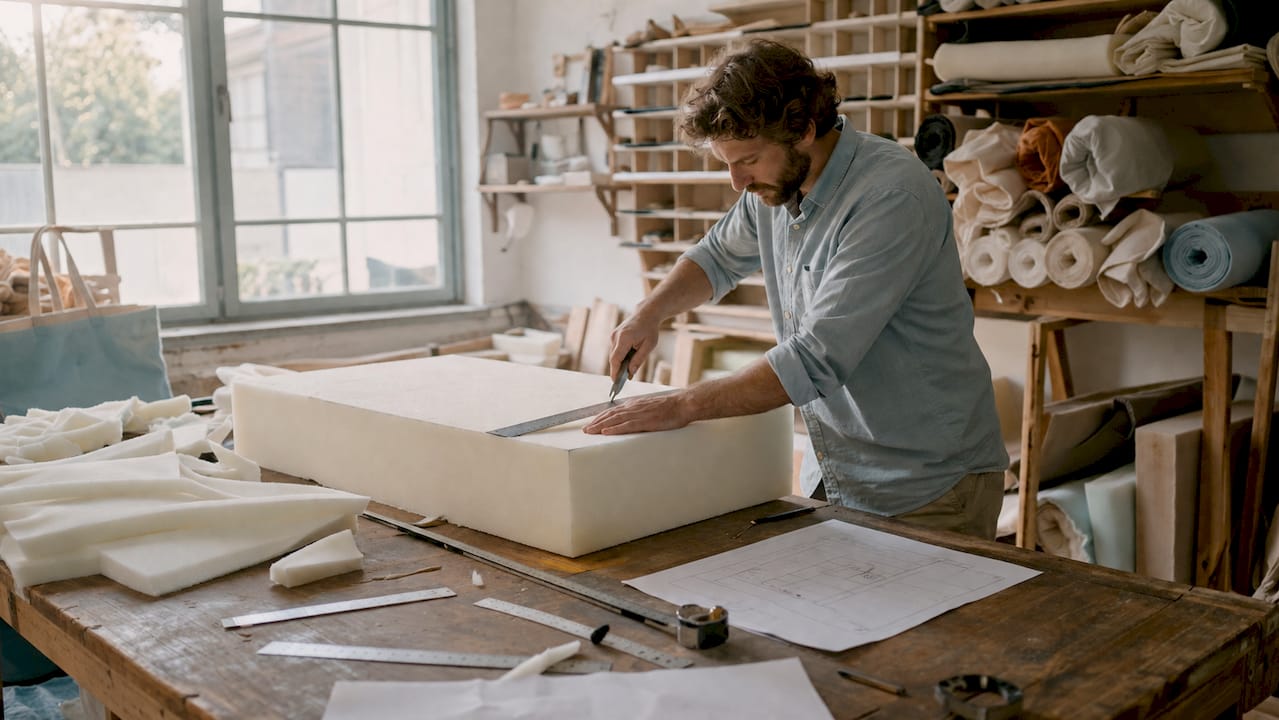
High-density foam also wins on allergy considerations. Latex foam resists dust mites and mold far better than natural down or feather fills. Natural latex can last 15–20 years with proper care, making it one of the longest-lived cushion materials available.
Key strengths of high-density foam:
- Firm, consistent support that does not flatten with use
- Shape retention for 7–10 years at 1.8 lb/ft³, longer at higher densities
- Allergy-friendly, especially latex foam
- Minimal maintenance: rotate every few months, nothing more
- Best for families, high-traffic rooms, and anyone with back support needs
Pro Tip: Do not confuse density with firmness. Density measures how much material is packed into the foam. Firmness is a separate rating called ILD (Indentation Load Deflection). A high-density foam can still feel soft if it has a low ILD rating.
2. Down and feather cushions: plush comfort with real upkeep demands
Down and feather fill delivers the most luxurious, sink-in softness of any sofa cushion material. The feel is genuinely beautiful, and it photographs well in any room. The tradeoff is that it demands consistent attention to stay that way.
Down cushions require daily fluffing or they become flat and lumpy within days. That is not an exaggeration. Without that daily habit, a down-filled sofa can look tired and shapeless within a week of regular use. Maintenance is the hidden cost that most buyers do not factor in at the point of purchase.
Lifespan for down cushions typically runs 3–5 years before the fill compresses beyond recovery. That is a meaningful gap compared to foam. Down also poses allergy risks for sensitive households, since feathers can harbor dust mites and trigger respiratory irritation.
Who benefits most from down fill:
- Buyers who prioritize a plush, enveloping feel over firm support
- Households with adults who enjoy a relaxed, casual aesthetic
- Rooms used for reading or lounging rather than active daily seating
- People who genuinely enjoy the ritual of fluffing and arranging cushions
Pro Tip: Down-alternative blends use synthetic fibers that mimic the softness of natural down without the allergy risk. They still require regular fluffing, but they hold loft slightly longer and cost less to replace.
3. Fiberfill cushions: soft, affordable, and short-lived
Polyester fiberfill is the most budget-friendly sofa cushion option, and it shows in its performance over time. The material starts soft and inviting, but it compresses and clumps faster than any other fill type.
Fiberfill cushions typically last 1–3 years before sagging and clumping become noticeable. For a sofa used every day, that means visible wear within the first year or two. The cushions lose their shape unevenly, creating lumpy spots that no amount of fluffing fully corrects.
Fiberfill does have genuine strengths in the right context. It is hypoallergenic, lightweight, and very affordable to replace. For accent cushions on a bench or a sofa in a guest room, it performs adequately. The problem arises when buyers choose it for a primary living room sofa expecting it to hold up like foam.
Where fiberfill works well:
- Accent and throw cushions with low daily contact
- Guest rooms or secondary seating areas
- Budget-conscious buyers who plan to replace cushions every few years
- Households where softness matters more than longevity
Pro Tip: Mixing a polyester fiber wrap around a foam core gives you the soft outer feel of fiberfill with the structural durability of foam underneath. This hybrid approach extends the life of the cushion significantly.
4. Hybrid cushion fillings: the best of both worlds
Hybrid cushions are the most thoughtful answer for buyers who want both support and softness. They layer materials strategically, typically pairing a foam core with a down-alternative or fiber wrap on the outside. The result is a cushion that holds its shape like foam but feels softer to the touch.
Hybrid cushions combine a foam core with down or fiber wraps to balance support and softness. They reduce maintenance compared to pure down fills while delivering more comfort than plain foam alone. The foam core does the structural work, and the wrap adds the tactile warmth that makes a sofa feel genuinely inviting.
Memory foam hybrids deserve special mention. Memory foam contours to the body and distributes weight evenly, making it particularly well-suited for anyone with back pain or pressure point sensitivity. A memory foam core wrapped in a fiber or down-alternative layer gives ergonomic support without the cold, dense feel of memory foam alone.
Hybrid cushions suit buyers who:
- Find pure foam too firm but dislike the upkeep of pure down
- Want a sofa that looks neat without daily fluffing
- Prioritize both aesthetics and long-term comfort
- Need ergonomic support but still want a welcoming, soft surface
Sofas with foam-heavy or hybrid cushions maintain cleaner lines and require less frequent attention than loose-fill alternatives. That structural benefit shows up in how the sofa looks after a year of real use.
5. Comparing sofa cushion fill types side by side
Choosing the right fill becomes clearer when you place the options next to each other. The table below compares the four main sofa cushion filling types across the features that matter most for everyday buyers.
| Feature | High-Density Foam | Down and Feather | Polyester Fiberfill | Hybrid (Foam + Wrap) |
|---|---|---|---|---|
| Comfort level | Firm to medium | Very soft, plush | Soft, light | Medium, adaptable |
| Support | Excellent | Low | Low | Good |
| Maintenance | Low (rotate quarterly) | High (daily fluffing) | Medium (periodic fluffing) | Low to medium |
| Durability | 7–10+ years | 3–5 years | 1–3 years | 5–8 years |
| Allergy-friendly | Yes (especially latex) | No | Yes | Yes (with synthetic wrap) |
| Best use case | Daily use, families | Lounging, low-traffic | Accent cushions | Versatile, all-day seating |
The maintenance column tells the most honest story. Regular fluffing of down cushions is not optional. It is the price of that luxurious feel, and buyers who skip it end up with a sofa that looks neglected within months.
Cushion fill also shapes how a sofa ages visually. Foam-based cushions hold their tailored silhouette for years. Down and fiber fills develop a softer, more casual patina over time. Neither is wrong, but knowing which aesthetic you prefer helps you choose the fill that matches your vision for the room.
One detail most buyers overlook: cushion comfort depends on the foam core, support platform, upholstery stretch, and cushion wrap design, not fill material alone. The same foam core will feel noticeably different in a sofa with a taut woven fabric versus one with a looser, drapey upholstery. Understanding how fabric selection interacts with cushion fill is one of the most underrated parts of sofa shopping.
Key takeaways
The best sofa cushion fill for most households is high-resilience foam at 1.8+ lb/ft³, because it delivers the strongest balance of durability, support, and low maintenance across daily use.
| Point | Details |
|---|---|
| High-density foam leads for durability | HR foam at 1.8+ lb/ft³ lasts 7–10 years and needs only occasional rotation. |
| Down fill demands daily upkeep | Without daily fluffing, down cushions flatten and look worn within days. |
| Fiberfill suits accent use only | Polyester fill compresses within 1–3 years and works best in low-traffic spots. |
| Hybrids balance comfort and structure | Foam core with a soft wrap gives support and plushness with manageable maintenance. |
| Fabric affects how fill feels | Upholstery tension and fabric stretch change how firm or soft a cushion actually feels. |
What I have learned about cushion fills after years of building sofas
People almost always focus on how a cushion feels in the showroom. That first sit is seductive, and I understand why. But the question that actually matters is how that cushion will feel eighteen months from now, after daily use, after the kids have claimed their favorite corners, after the dog has settled in.
The most common mistake I see is choosing down fill for a sofa that will be used hard every day. The feel is wonderful. The maintenance reality is not. Most households simply do not have the habit of fluffing cushions every morning, and within a few months, that beautiful plush sofa starts to look deflated and unloved. The fill did not fail. The lifestyle and the fill were just mismatched from the start.
The insight that changed how I think about cushion engineering came from studying how the sofa frame and fabric interact with the fill. The same foam core placed in two different sofas, one with a taut performance fabric and one with a relaxed linen weave, will feel like two completely different cushions. Firmness is not just a property of the fill. It is a product of the whole system.
My honest advice: match your fill to your actual daily habits, not your aspirational ones. If you want a sofa that looks beautiful with minimal effort, choose high-density foam or a quality hybrid. If you love the ritual of caring for beautiful things and have a lower-traffic room, down fill rewards that attention generously. There is no universally best answer. There is only the right answer for how you actually live.
— Kevin O’Gara
Cushion quality built into every Striped Sofa Co sofa
At Striped Sofa Co, cushion fill is not an afterthought. Every sofa is built with soy-based foam that meets the durability standards serious buyers expect, and the custom design service lets you choose the fill and firmness that fits your household’s real daily life.

The fabrics at Striped Sofa Co are stain-resistant, bleach-cleanable, and free from PFAS chemicals, which means the cushion fill works in harmony with an upholstery system designed to last. Models like The Mayfair showcase how modern cushion engineering and considered fabric choices come together in a sofa built to hold its shape and character for years. Visit Striped Sofa Co to see the full collection and find the cushion fill that fits the way you live.
FAQ
What is sofa cushion fill?
Sofa cushion fill is the internal material inside a sofa cushion that determines its firmness, shape retention, and comfort over time. Common types include high-resilience foam, down and feather, polyester fiberfill, and hybrid combinations.
Which sofa cushion filling lasts the longest?
High-density foam at 1.8+ lb/ft³ lasts 7–10 years for daily-use sofas, while natural latex foam can last 15–20 years with proper care. Down and fiberfill wear out significantly faster, typically within 3–5 years and 1–3 years respectively.
How often do down sofa cushions need fluffing?
Down cushions require daily fluffing to maintain their shape and prevent a flat, lumpy appearance. Without consistent maintenance, they lose loft and look worn within days of regular use.
Are foam cushions better for allergy sufferers?
Foam cushions, especially latex foam, resist dust mites and mold far better than natural down or feather fills. For allergy-conscious households, foam or synthetic fiber fills are the safer choice.
What is a hybrid sofa cushion?
A hybrid sofa cushion pairs a foam core with a down-alternative or fiber wrap to deliver both structural support and a softer surface feel. Hybrids require less maintenance than pure down fills while offering more comfort than plain foam alone.
Recommended
- Sofa Back Height Options: Your Complete Comfort Guide – Striped Sofa Co.
- Sofa Configuration Options Explained for Every Home – Striped Sofa Co.
- Fabric Selection and Sofa Design: A Complete Guide – Striped Sofa Co.
- The Pinstripe Couch Buyer’s Guide: How to Choose One You Won’t Regret – Striped Sofa Co.